Why direct ordering
Someone ate your food last night. You have no way to thank them.
This page makes the case without a single percentage on it. Not because the numbers are unflattering — they are the reason anybody switches — but because a number invites you to argue with the number instead of with the point, and the point holds whatever yours turns out to be. We will work yours out with you, off your own statement, in a conversation.
What the arrangement costs
Four things you give up, and none of them is money.
- You do not get the customer.
- The order arrives with a first name and a drop point. Not a number you can ring when the address is wrong, and not a person you can tell that the shop is shut on Tuesday. Someone ate your food and you are no closer to knowing who they are than before they ordered.
- You do not get to decide what things cost.
- The discount that brought them in was not yours to offer and stopping it is not yours to decide. A shop can be busy all month on food it is selling at a price it never agreed to.
- You get the blame without the conversation.
- A cold delivery is your rating, and the person who left it is somebody you cannot reach to make it right. The one thing that would fix it — talking to them — is the thing the arrangement removes.
- You cannot tell why they stopped.
- A regular who ordered every Thursday for a year and then did not is invisible. You find out from the monthly total, months later, and by then there is nothing to say to them.
What owning the line gives back
Four things you get, and they compound.
- The relationship is the asset.
- A customer who has messaged your number once has a thread with you in it. Next Thursday they scroll to it. That thread is worth more than a place in a list that reshuffles every time somebody else pays for it.
- Regulars are cheap and strangers are expensive.
- Everything about a marketplace is built to introduce you to somebody new, and every introduction is paid for. A shop that is already liked by two hundred people is better served by making those two hundred easy to keep.
- You can say something.
- The shutter is down for a wedding. The Sunday special is on. The order will be twenty minutes late and you would rather they heard it from you. None of that is possible through an intermediary and all of it is ordinary between a shop and its regulars.
- It leaves with you.
- The menu, the customer list, the order history. If you decide this was a mistake, you take all of it and go. That is a deliberate design decision and it is the one we would want asked about hardest.
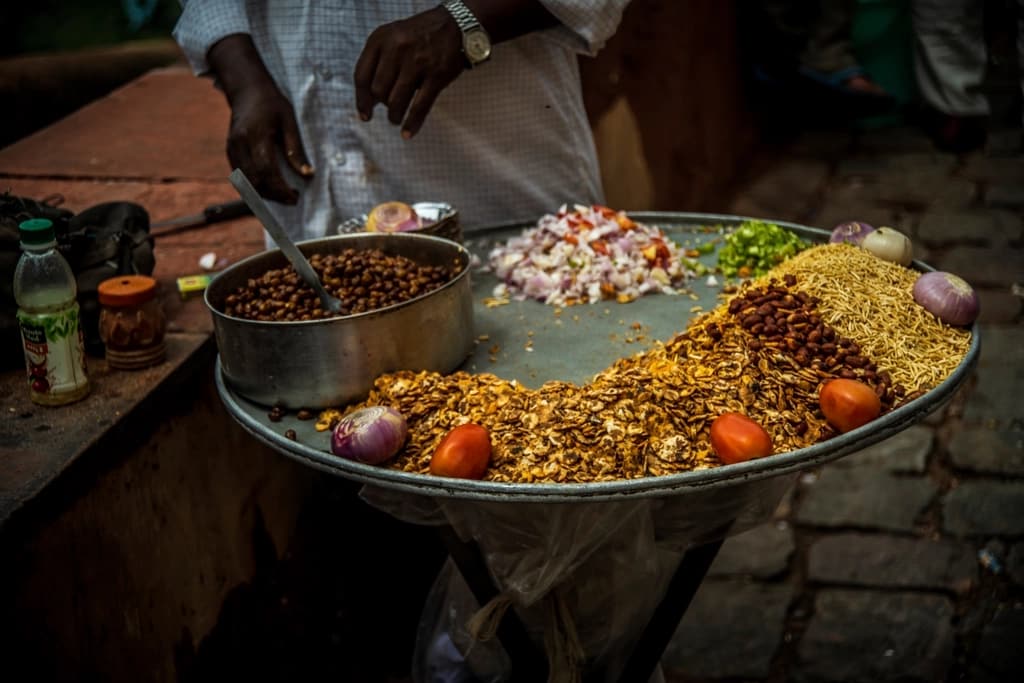
The business is the person and the pan.
Everything else is a line item, and a line item should not own the customer.
Photograph: Rawpixel, CC0
Where this argument fails
Three shops we would tell to stay where they are.
We lose business to all three of these, and writing them down costs us less than signing up a shop it was never going to work for.
- You genuinely need to be discovered.
- A new kitchen with no regulars needs strangers, and strangers are exactly what a marketplace is good at. Direct ordering compounds something you already have; it does not create it. If you are starting from nobody, start somewhere else and come back.
- Your customers are not yours in the first place.
- Some kitchens sell almost entirely to people who chose a cuisine, not a shop. If nobody could name you, there is no relationship to move onto your own line and this will feel like work for nothing.
- You want it to run itself.
- A direct line has to be answered. Not constantly, and not by the owner, but by somebody. A shop that wants ordering to be entirely somebody else’s problem is buying the wrong thing, and will be happier saying so now.
None of this says leave the aggregators. Most shops that work with us keep them, and use them for exactly what they are good at. What changes is that the regulars stop arriving through a toll gate.
Bring last month’s statement.
Twelve minutes, off-peak, at your counter. We work it out on your real numbers rather than on an average, and if the answer does not move you we will say so and leave.